


IT
SOLUTION
IT Services
We select the most suitable personnel from a pool of over 8,000 testers
based on their individual interests and areas of expertise.
In addition, we conduct diagnostics
of target training data and annotation QA.
Recommended for the Following Customers
-
Generated information contains numerous errors
-
Answers reflect a specific viewpoint or bias in opinion
-
Testing on devices covering over X% of the domestic smartphone market share
-
Expressions and ideas are limited and lack creativity
Training Data Assessment IT SOLUTION
By examining only a portion (%) of the total training data,
the confidence score of the entire dataset can be estimated.

The sample size
| Number of training data | Sample size |
|---|---|
| 10,000 | 370 |
| 100,000 | 383 |
| 1,000,000 | 384 |
| 10,000,000 | 385 |
Improvement Process
-
1
Analyze NGs by cause type
The analysis results are shared with the annotation company through the client to help with subsequent improvements
-
2
Conduct analysis continuously
Based on the analysis results, repeat step ① regularly until improvements are made, and observe the trend of the occurrence rate
-
3
Set key points
Once the pre-set target values are achieved, move on to the brush-up phase. Set key points according to the AI's intended use and focus on reducing the occurrence rate of the relevant items
-
4
Achievement of target values for key points
Regularly observe the trend of the occurrence rate. Annotation QA is complete once the target values are achieved
Other Services SERVICE
-

Software Testing
View Details- Functional testing for various types of software, primarily web services
-
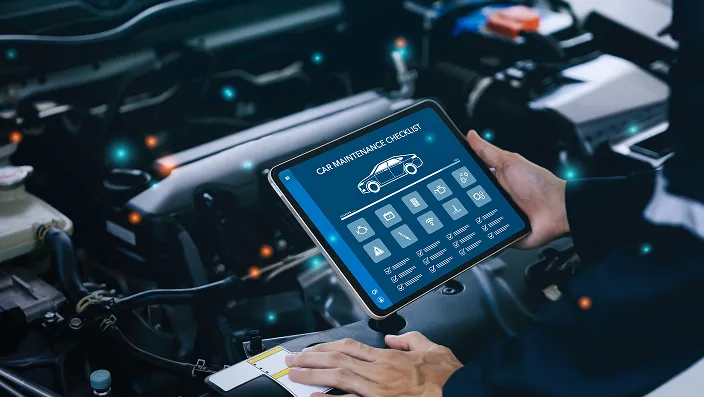
Automotive System Verification
View Details- Data verification for autonomous driving
- Various driving tests (motion sickness data acquisition driving, emotion data acquisition driving, etc.)
- Car navigation test drive
- Tests for car accessories (digital mirrors, etc.)
(Excluding embedded systems)